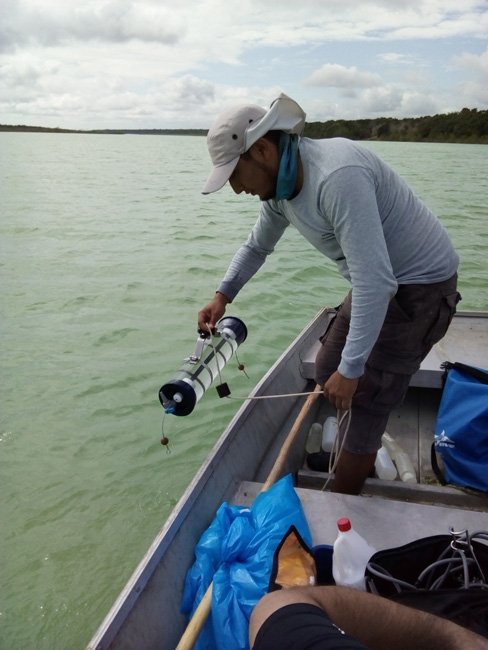
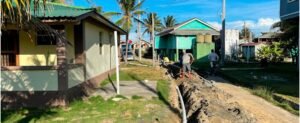
Support for wastewater treatment projects and solid waste management to protect the reef and the health of communities.
Photo: María Arteaga
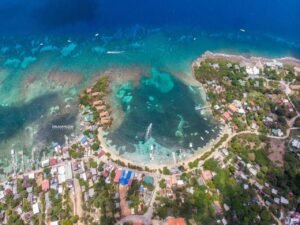
The health of coral and seagrass meadows depends directly on water quality. The runoff of contaminants and inadequate waste management on the coasts affect biodiversity and the water transparency needed for reef photosynthesis.
Clean Water for the Reef identifies and mitigates sources of land-based pollution reaching the reef system. We work to promote better sanitation practices and watershed management to ensure that the water flowing into the MRS supports a vibrant and healthy ecosystem.
A central aspect of the program is strengthening wastewater and solid waste management, recognizing their direct influence on the health of marine and coastal ecosystems. It also addresses the concept of water security, which refers to the capacity to provide sustainable access to sufficient, safe, and quality water for people and ecosystems, while managing risks associated with pollution, water scarcity, floods, and climate change.
The program also encompasses the protection of freshwater sources and the improvement of the health of rivers, aquifers, and coastal areas. In this way, it contributes to the conservation of marine biodiversity, supports the well-being of coastal communities, and promotes the economic and environmental resilience of the region.
Photo: Eladio Juárez
Results to date:
+0
Supported projects
0
Wastewater treatment, waste management, and drinking water infrastructures built or improved
0kg
of waste collected and disposed to prevent it from entering the ocean.
+10000
People reached through environmental workshops and campaigns
Photo: Marina Sánchez
Projects implemented by our partners:
Small Grants Program
Fundación Hondureña para la Protección y Conservación de Cayos Cochinos
Promote improvements in the management and conservation of the ACCMNM reef and the lower basin of four of its influential rivers, with the participation of stakeholders in the preparation of a plan that takes into account the results of water quality monitoring and its relationship with the state of the reef. ______ By 2026, key actors in the management of the protected area will implement three participatory strategic lines to improve the health of the Cayos Cochinos reefs and at least one river in the area of influence.
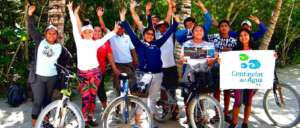
Centinelas del Agua A.C. (CDA)
Strengthen the capacities of fishing cooperatives for comprehensive water management in product certification processes. In addition, obtain a binding analysis of water quality and microplastics in rainwater collection systems, the Yalahau lagoon, and coastal marine sites during three annual seasons (dry, rainy, and north winds).
Polo's Water Association (PWA)
By 2026, improvements in aquifer management in the West End community will have begun through the implementation of a comprehensive approach that reduces the risks of damage to underground water supply sources.
SEA + Invest
Ecologistic Bacalar (ALAK) (México)
Ecologistic is a venture operated by A.C. Alak, focused on the transportation and proper management of urban solid waste (USW) in Bacalar and Chetumal, Quintana Roo. They offer a comprehensive service to tourism establishments to prevent pollution. In addition to collection, they valorize inorganic waste and produce large-scale compost that they sell to hotels, restaurants, and local farmers.
#tideMéxico (México)
A circular economy initiative that transforms plastic into reusable products, while promoting access to drinking water without PET bottles by integrating H2OLA Water stations, as well as community Eco-Hubs as waste collection centers and the promotion of environmental education by valorizing waste, preventing it from reaching the ocean. It is an alliance between the Swiss company #tide Ocean Material and the Mexican company Maritime Procurement Services (MPS).
Water Offsets (México)
Water Offsets is a WaterTECH company that offers comprehensive water treatment and reuse solutions. Through proprietary technologies with advanced nanomaterials, they combine hardware, software, and artificial intelligence to reduce wastewater pollution and promote the circular use of water, saving up to 70–80% in industrial and tourism operations.
Alianza por la Cuenca del Motagua
MAR Fund is one of the partners of the Alianza por la Cuenca del Motagua, a collaborative space that brings together civil institutions, governments, and municipalities committed to the recovery and sustainable management of this transboundary basin. Through its participation in assemblies and in a subgroup focused on public policy, MAR Fund contributes technical information and regional expertise to strengthen conservation and environmental governance actions.
Learn more about the joint work and initiatives of the Alianza on their social media: Facebook | Instagram.
Del 1 al 3 de julio de 2025, se llevó a cabo en Ciudad de Guatemala el Taller Inicial para los proyectos seleccionados en la segunda convocatoria del proyecto «Protección de los Recursos Marítimos en América Central III (Fase III)”, una iniciativa financiada por la Cooperación Alemana a través del KfW, en el marco del programa Salvando Nuestras Áreas Protegidas de MAR Fund.
Durante tres días, 31 representantes técnicos y administrativos de 16 áreas protegidas marino costeras de México, Belice, Guatemala y Honduras se reunieron para fortalecer capacidades, intercambiar experiencias y alinear estrategias para una implementación efectiva y coordinada de sus proyectos.
También participaron organizaciones de sociedad civil que acompañarán la ejecución de estos proyectos.