Author: Celso Sho
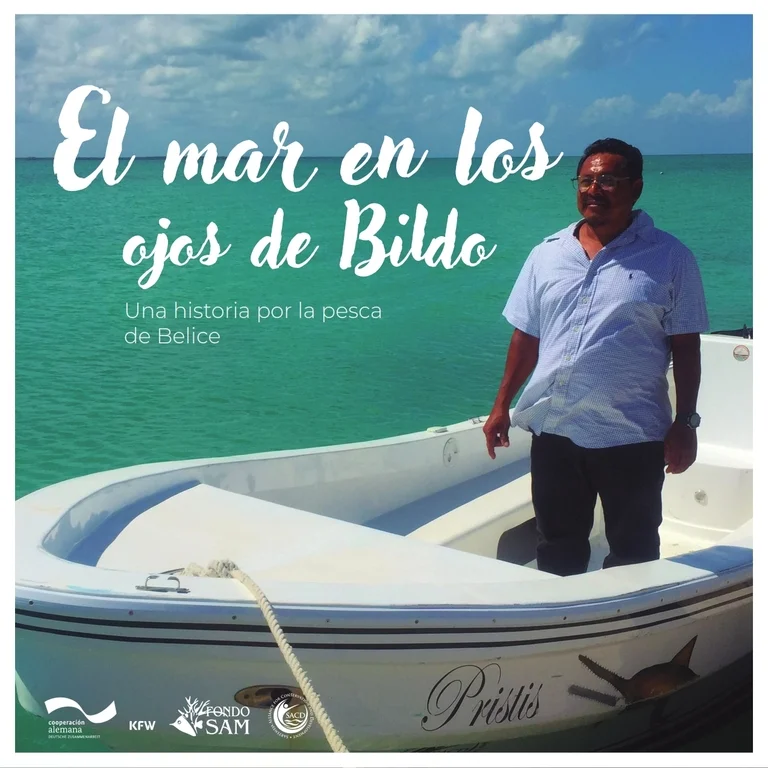
Belize’s barrier reef underpins its fishing and tourism economies, and makes up 12% of the total GDP. However, since they were first recorded in Belizean waters in 2008, invasive lionfish are decimating populations of native coral reef fish and invertebrates, undermining the reef’s resilience to the effects of climate change and threatening the livelihoods of the people who rely on it. Fish replenishment zones, with a ban on fishing which limits access to opportunistic lionfish fishers, are most at risk. Complete eradication of lionfish is near impossible to achieve; however, regular culling can drastically reduce the negative impacts of lionfish on the reef.
According to the 2015 national lionfish population assessments, South Water Caye Marine Reserve (SWCMR) has the highest densities of lionfish of all the surveyed marine protected areas (MPAs) (Belize National Lionfish Management Strategy, 2019). This is a particular concern for threatened endemic species such as the social wrasse (Halichoeres socialis), a critically endangered fish only found in the shallow coral reefs and mangroves of the southern part of SWCMR. Studies have shown that the social wrasse comprises almost half of the lionfish diet in that area, making it increasingly vulnerable to extinction (Rocha et al., 2015).
To stem biodiversity loss and safeguard coastal livelihoods, lionfish populations must be controlled urgently. Therefore, this project focuses on establishing and training a community-based lionfish brigade, trained in scientific scuba-diving and safe removal and handling of lionfish, to help cull invasive lionfish within SWCMR (specifically within Managed Access Area 3, with a total area of 411 km²).
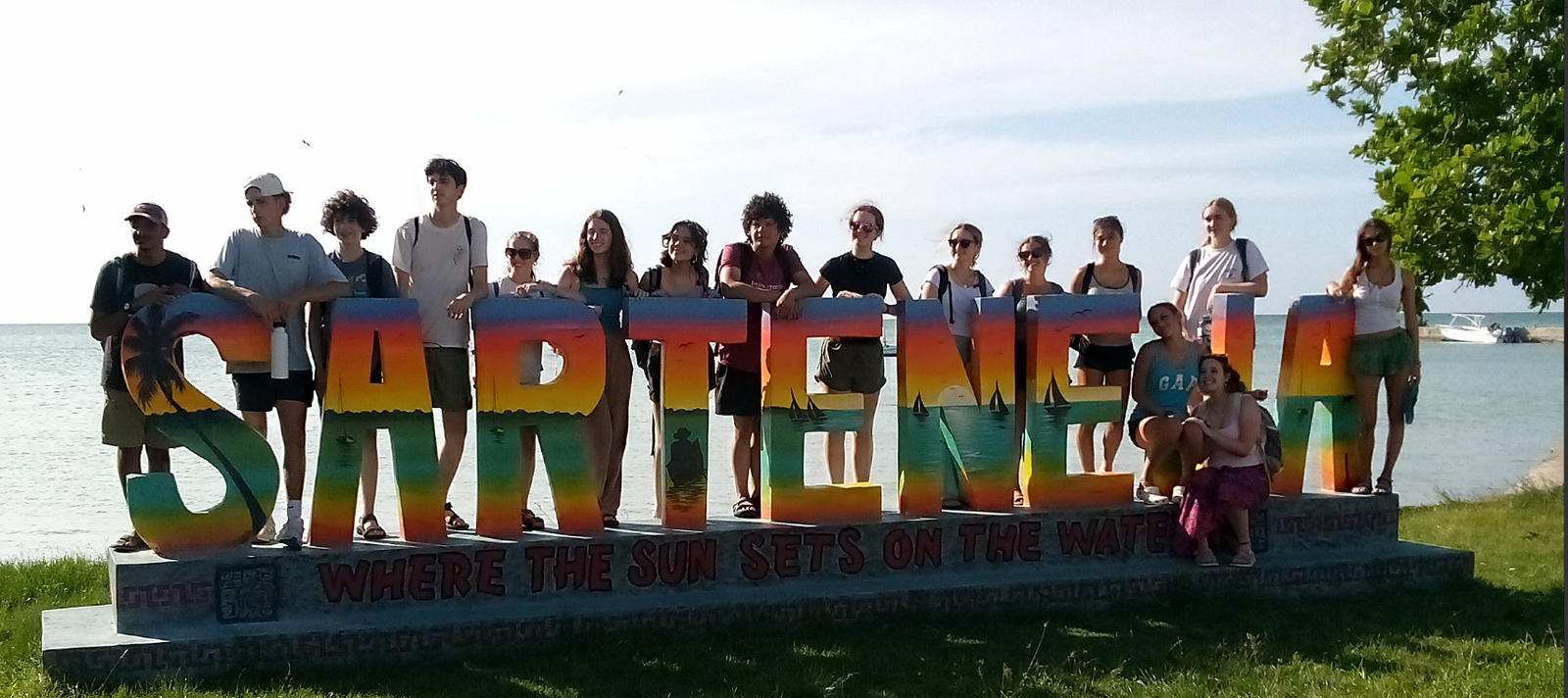
In November 2022, following community visits and an open application process, 10 successful lionfish brigade candidates were selected, with representatives chosen from Sarteneja, Hope Creek, Dangriga, Hopkins, Sittee River, and Placencia. These members attended a series of workshops covering topics such as lionfish ecology, fish identification, and practical sessions in Lionfish Focus Search (LFS) methodology. All brigade members achieved their PADI Advanced Open Water scuba-diving qualification and, of these, nine also trained as Emergency First Responders.
Following baseline data collection in 2022, the lionfish brigades, Wabafu Fishermen Association, and MPA managers convened in a workshop to analyze the data and identify priority sites for lionfish culling using socio-economic and ecological indicators. These indicators were considered based on their value to fisher livelihoods and to the habitats that sustain the biological diversity of SWCMR.
In June 2023, the new lionfish brigade was able to put their skills into practice and conducted the first quarterly lionfish culling within SWCMR, in collaboration with both the MPA managers and Belize Fisheries Department, removing a total of 46 lionfish across SWCMR (23 within the General Use Conservation Zones (GUZ) and 23 within the No Take Zone (NTZ)).
References
BNLMS 2019, Belize National Lionfish Management Strategy.
Rocha, L.A., Rocha, C.R., Baldwin, C.C., Weigt, L.A., McField, M. (2015). Invasive lionfish preying on critically endangered reef fish. Coral Reefs, 34, 803–806. https://doi.org/10.1007/s00338-015-1293-z