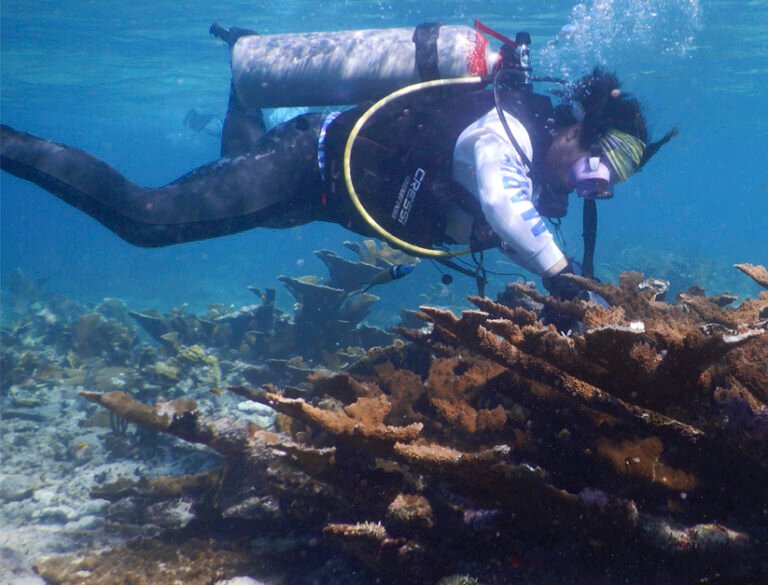
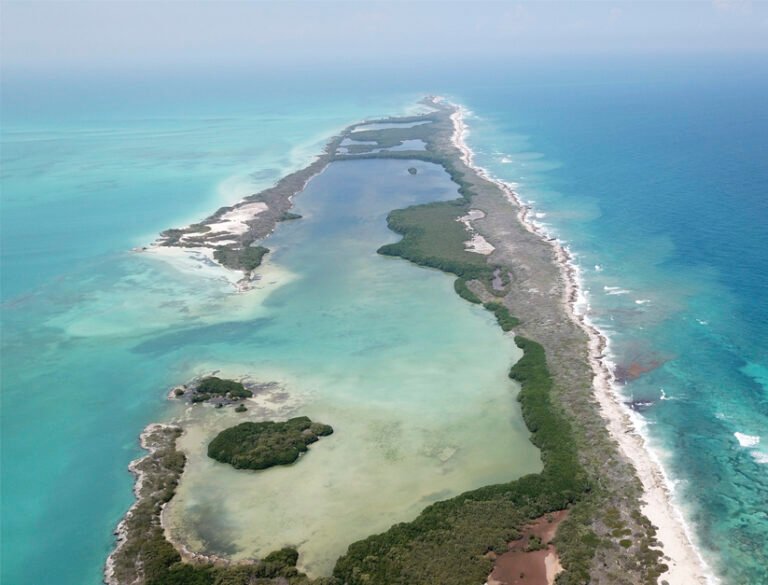
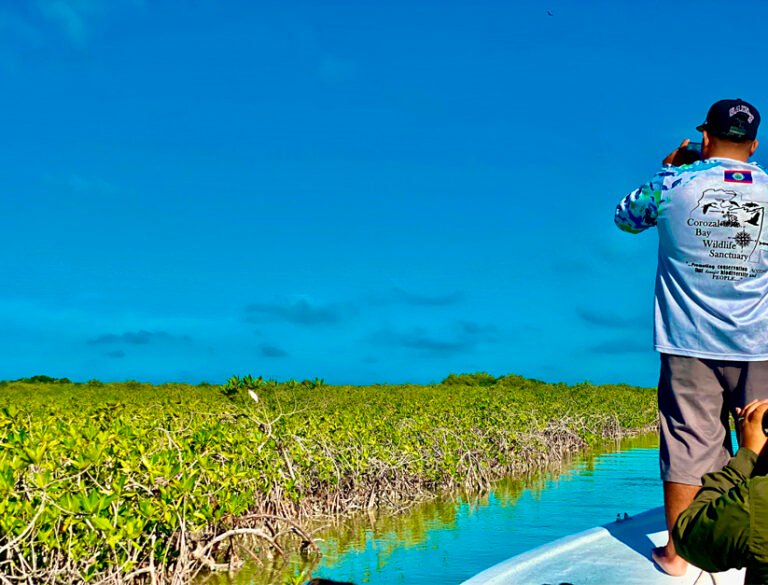
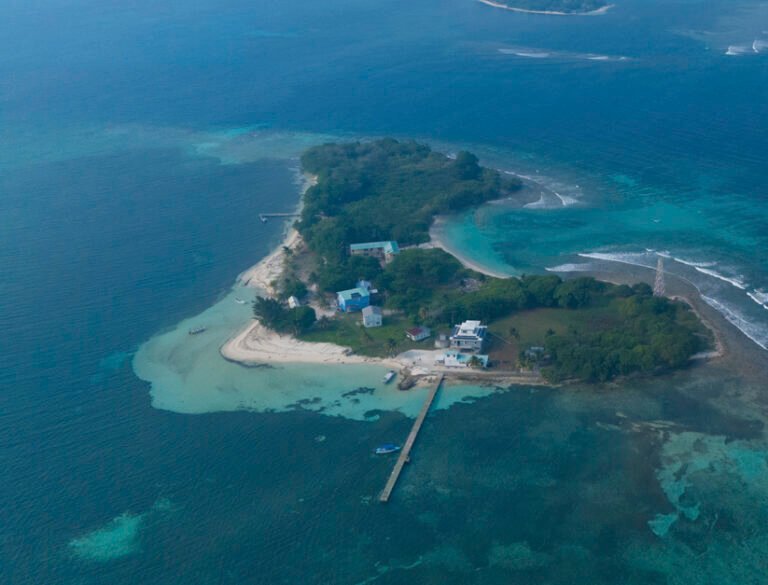
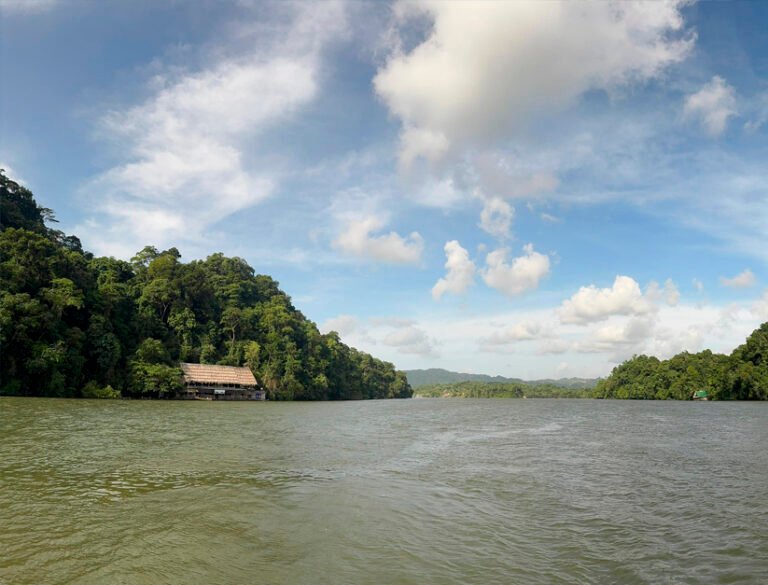
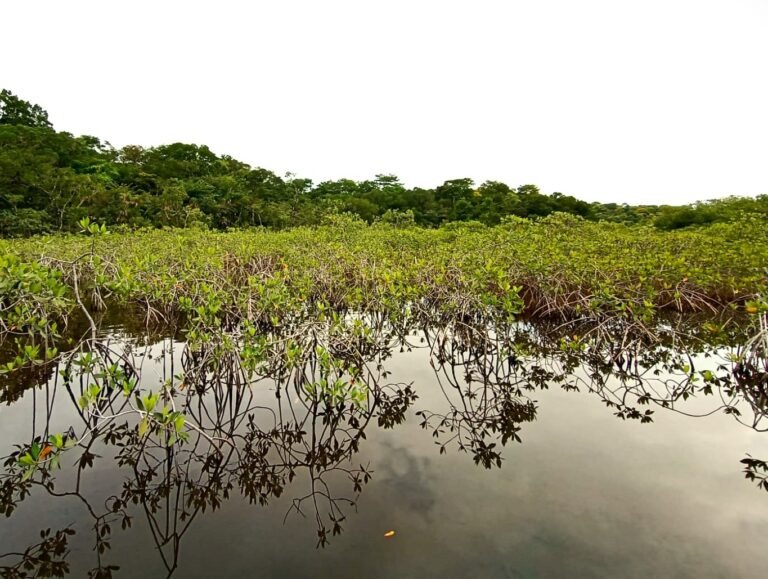
Photo: Belize Audubon Society
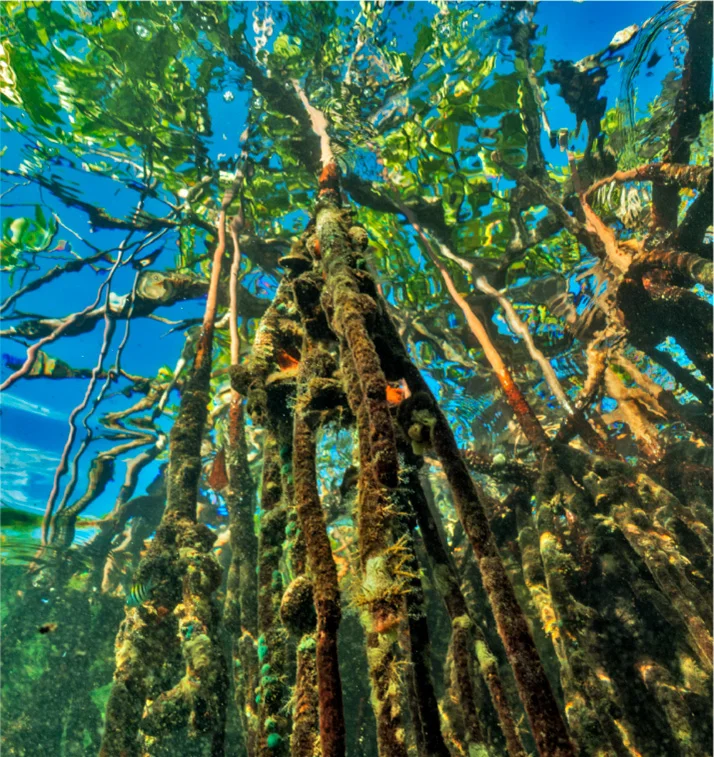
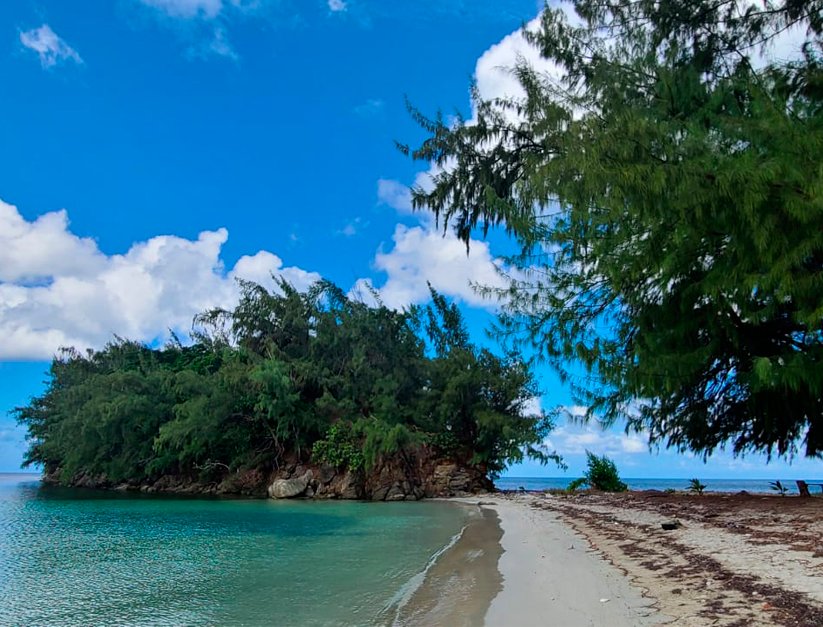
Photo: Fundación Albatros
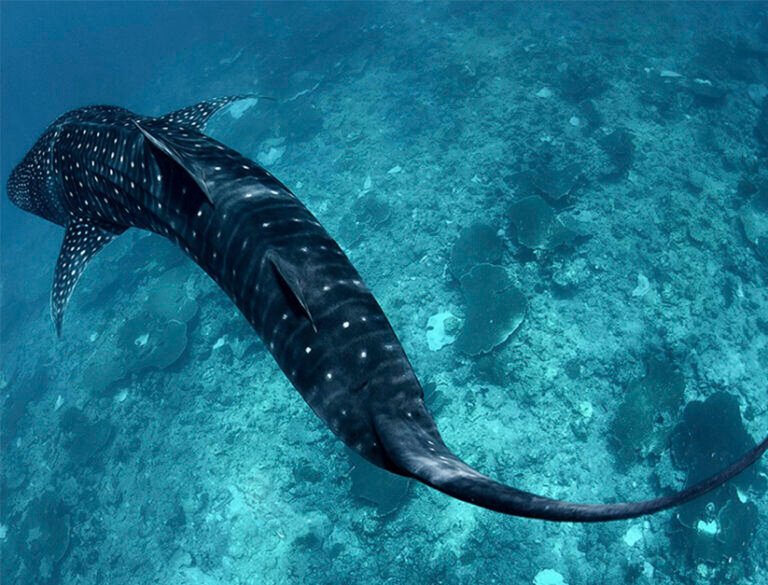
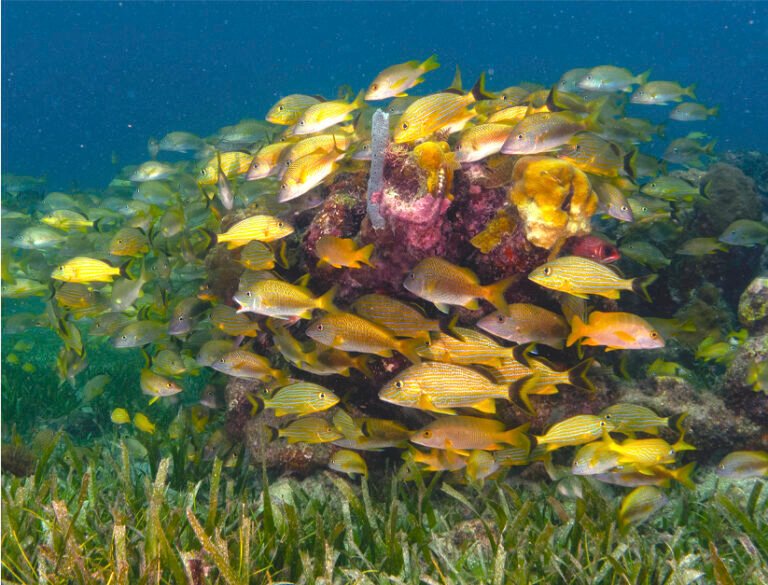
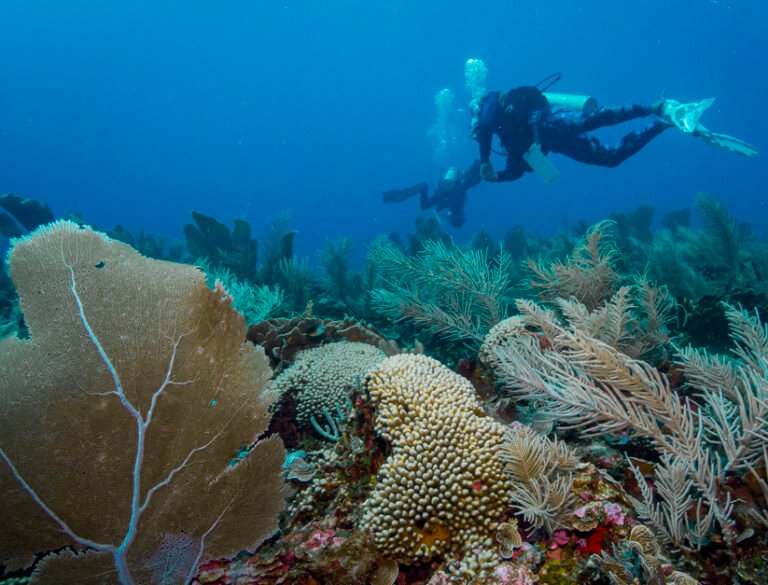
The Mesoamerican Reef System (MAR) is the largest transboundary coral reef, shared among Mexico, Belize, Guatemala, and Honduras, and the largest in the Atlantic Ocean. It is an ecoregion of biological, economic, social, and cultural importance.
The MAR has 67 coastal and marine protected areas (CMPAs) distributed as follows:
Effectively managed CMPAs are one of the best tools for conserving natural resources and ecological processes and reducing threats, enabling development opportunities for local communities.
Approximately 72% of the region’s reefs and just over half of the mangrove surface area are within protected areas. CMPAs supply water, provide habitat for numerous species, reduce the impact of natural disasters, and protect traditional ways of life and cultural and spiritual values, among other goods and services.
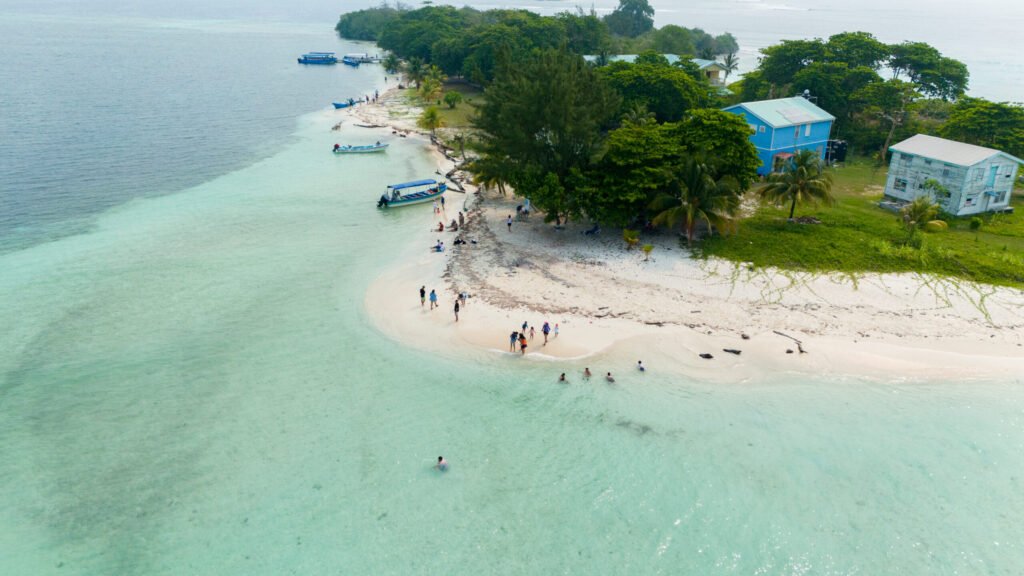
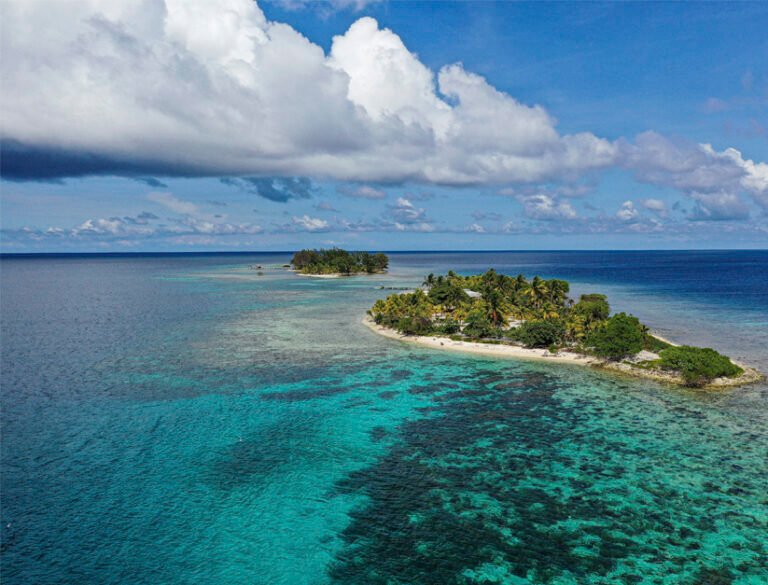
Photo: Edwin Cabrera
With the aim of better directing support to the MAR region, MAR Fund facilitated two regional CMPA prioritization exercises. The first exercise, in 2007, resulted in 14 priority areas (4 in Mexico, 4 in Belize, 2 in Guatemala, and 4 in Honduras). The second exercise (2016) produced 14 additional protected areas distributed in the same way.
Within the framework of the Saving Our Protected Areas program, MAR Fund implemented during the period 2012–2020 the Project “Conservation of Marine Resources in Central America” Phases I and II, developed in nine priority CMPAs, with financial support from German Development Cooperation through KfW.
German Development Cooperation has provided new financial support to develop the Project “Protection of Maritime Resources in Central America III” (Phase III), which aims to build on the experiences of Phases I and II over a period of 5 years.
Phase III is developed through two calls for proposals directed at the administrators and co-administrators of MAR CMPAs:
Julio 2023
15 CMPAs supported through 12 projects.
Agosto 2024
16 CMPAs supported through 8 projects.
The objective of Phase III is the conservation and sustainable use of natural resources in and among the selected marine-coastal protected areas of the Mesoamerican Reef System.
Its achievement is measured through three indicators:
1 The criterion for more effective conservation is the application of measures to improve biodiversity monitoring, control and surveillance measures, or ecosystem restoration measures. 2 The relevant MRS ecosystems include coral reefs, mangrove forests, and seagrass beds.
With the implementation of 20 projects in 31 MCPAs, the following Phase III indicator results have been achieved:
Area in hectares with improved conservation
MCPAs implementing best conservation practices
People supported through the sustainable use of natural resources
Joint initiatives between CMPAs
Data updated as of June 2026.
1 The criterion for more effective conservation is the implementation of measures to improve biodiversity monitoring, control and surveillance, or ecosystem restoration.
2 Sustainable use involves responsible practices for using natural resources that generate social, cultural, and economic benefits in the present while maintaining their potential for future generations..
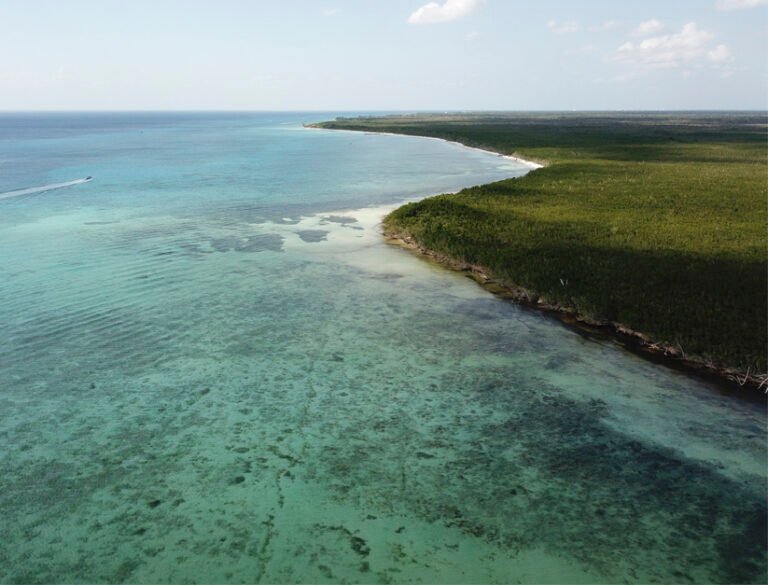
Cozumel Reefs National Park
Flora and Fauna Protection Area — northern portion and eastern coastal strip, terrestrial and marine, of Cozumel Island;
Cozumel Jungles and Wetlands State Reserve y
Laguna Colombia State Ecological Park
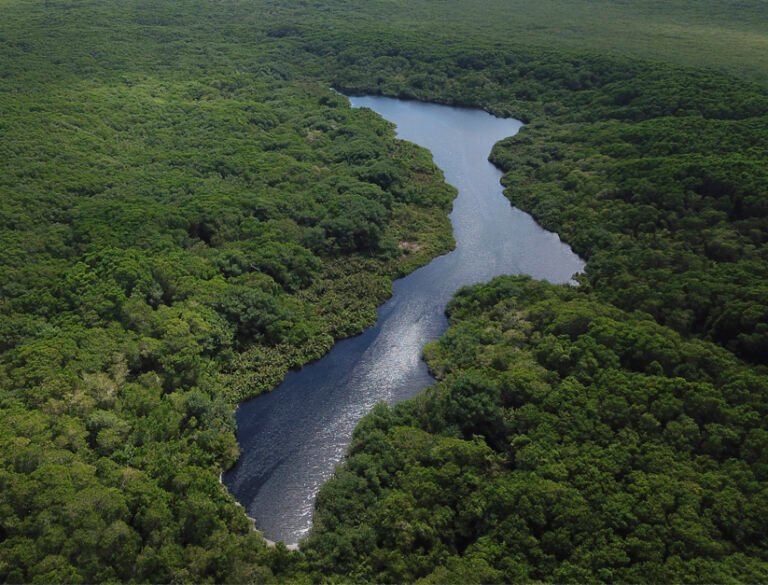
Laguna Manatí Flora and Fauna State Refuge,
Chacmochuch Lagoon System Flora and Fauna State Refuge and
Mexican Caribbean Biosphere Reserve
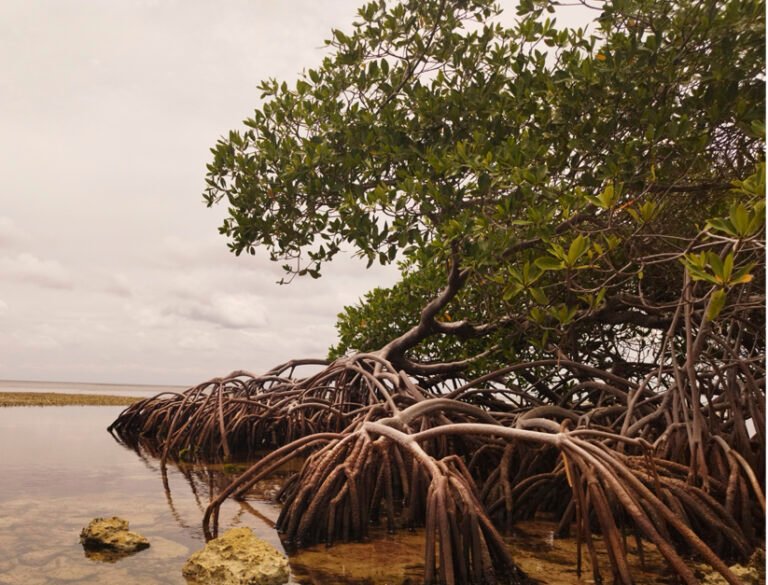
Banco Chinchorro Biosphere Reserve, Arrecifes de Xcalak National Park, Arrecifes de Sian Ka’an Biosphere Reserve and Mexican Caribbean Biosphere Reserve
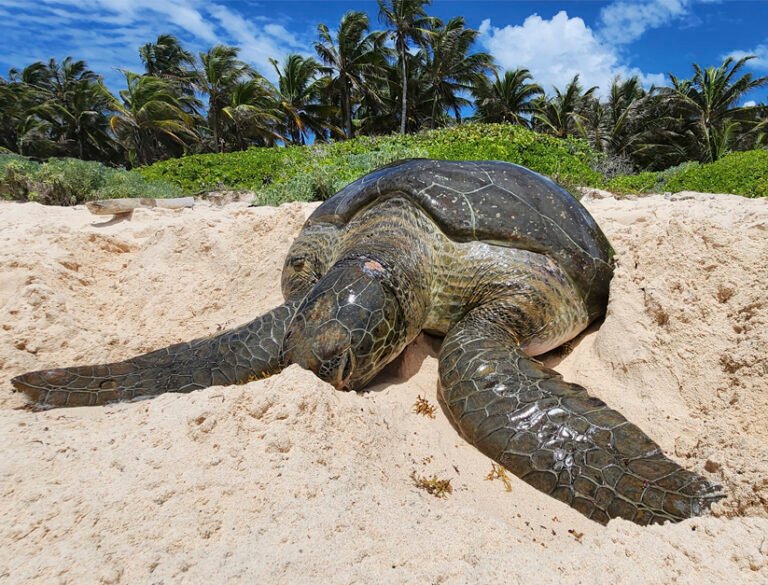
Mexican Caribbean Biosphere Reserve
and Ecological Conservation Zone Xcacel–Xcacelito Sea Turtle Sanctuary
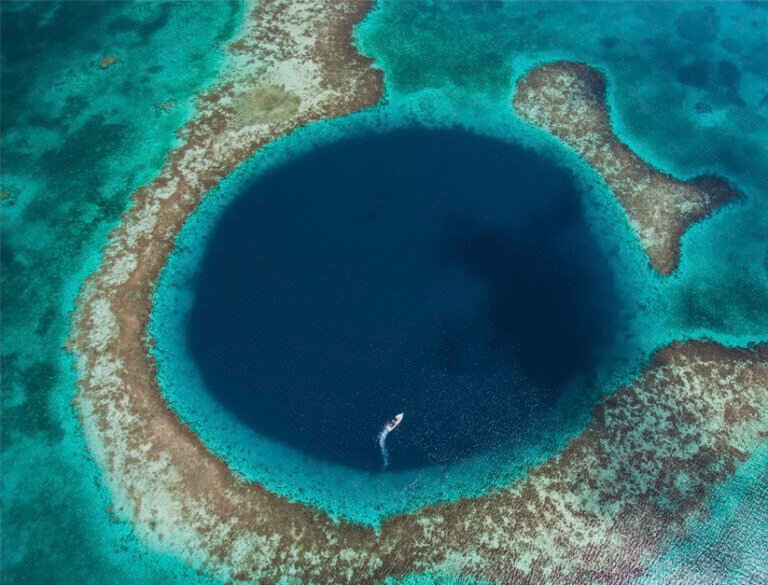
Half Moon Caye Natural Monument, Blue Hole Natural Monument, and Fish Aggregation Sites: Sandbore, Northern Two Caye, Half Moon Caye Wall, and South Point
Photos courtesy of the managing and co-managing organizations. Each information sheet includes the specific credits of its authors.
MAR Fund implements measures and actions to ensure the Project is executed in compliance with KfW Sustainability Guidelines. MAR Fund developed and has implemented, since 2022, an Environmental and Social Management System (ESMS) under international standards. The purpose of the ESMS is to assess project risks to avoid or minimize adverse environmental and social impacts and to enhance positive impacts. The ESMS includes a complaints and grievances mechanism.
This side event helped to raise the profile and consolidate the collaborative work carried out by various marine-coastal protected area partners, conserving, protecting, and managing the strategic and financial resources that support the management of national protected area systems and local livelihoods. Presentations highlighted the importance of partnerships, mutual trust, and inter-actor coordination to address common challenges.
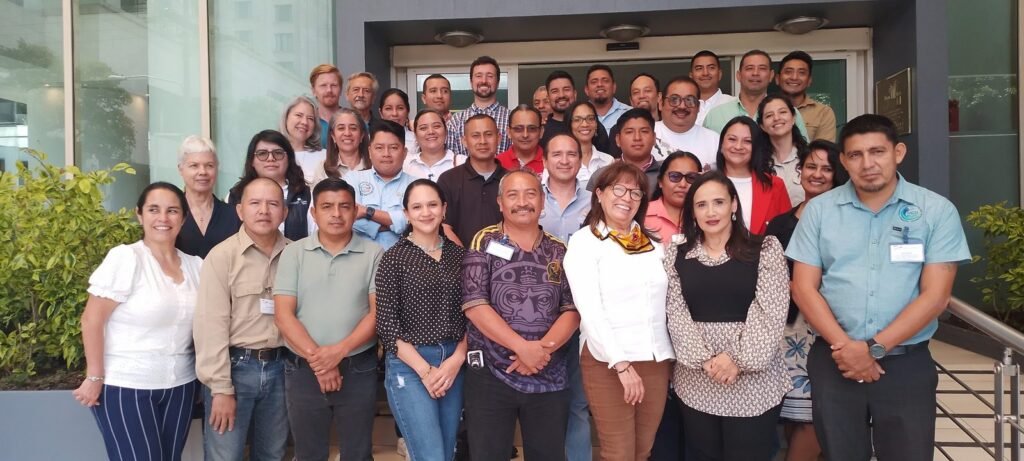
Over three days, 31 technical and administrative representatives from 16 marine-coastal protected areas in Mexico, Belize, Guatemala, and Honduras met to strengthen capacities, exchange experiences, and align strategies for the effective and coordinated implementation of their projects. Civil society organizations that will support the execution of these projects also participated.
The meeting was a valuable opportunity to discuss the Mesoamerican Reef and the initiatives MAR Fund promotes for its conservation and sustainable use.
We reaffirmed the key role of CCAD as a regional coordination platform and the importance of inter-institutional work to advance toward integrated management of the MRS marine-coastal resources.
The first event was held in May 2024, where MAR Fund shared with the International Union for Conservation of Nature (IUCN) information about the project "Protection of Maritime Resources in Central America III" (Phase III), including the timeline, lessons learned during the preparation of technical documents, the start of implementation, and the launch of the first call for projects.
The second event was held in February 2025 and brought together the implementers of KfW-supported projects. On this occasion, MAR Fund gave a brief presentation on Phase III and shared its experience implementing environmental and social safeguards in the projects approved under the first Phase III call.
In Guatemala: FUNDAECO conducted an exploratory visit to potential fisheries recovery zones in San Carlos Cove and toured several rivers where bio-barriers will be installed. They also assessed ecosystem connectivity and its tourism potential in the Cerro San Gil Protected Area.
In Honduras: FUCSA reforested specific areas with red mangrove and sapote trees with support from the Salado Barra community. AMATELA held community meetings in La Ensenada and San Juan about its project and the complaints and grievances mechanism, including the placement of suggestion boxes in community and health centers.
In addition, questions were clarified about the use of the online project management system (PMS) administrative tool for recording income and expenditure, and about the general project execution guidelines. In April 2025, the Focal Points visited eight MCPAs to monitor project progress, review inventories, follow up on ESAP implementation, and resolve questions related to project implementation. During the visits, they accompanied beneficiaries in various field activities.
Beneficiaries were trained in the use of the Project Operations Manual (POM), the preparation of their Three-Year Operational Plan (TOP), the use of the online project management system (PMS) for submitting technical and financial reports, how to complete technical and financial report formats, monitoring of the Environmental and Social Action Plan (ESAP), and grievance and complaints systems. It also provided a space for beneficiaries to get to know each other, share their projects, and identify potential synergies.
Ximena Flamenco
Project Coordinator
xflamenco@marfund.org
Taller inicial de la 2ª. convocatoria
Del 1 al 3 de julio de 2025, se llevó a cabo en Ciudad de Guatemala el Taller Inicial para los proyectos seleccionados en la segunda convocatoria del proyecto «Protección de los Recursos Marítimos en América Central III (Fase III)”, una iniciativa financiada por la Cooperación Alemana a través del KfW, en el marco del programa Salvando Nuestras Áreas Protegidas de MAR Fund.
Durante tres días, 31 representantes técnicos y administrativos de 16 áreas protegidas marino costeras de México, Belice, Guatemala y Honduras se reunieron para fortalecer capacidades, intercambiar experiencias y alinear estrategias para una implementación efectiva y coordinada de sus proyectos.
También participaron organizaciones de sociedad civil que acompañarán la ejecución de estos proyectos.