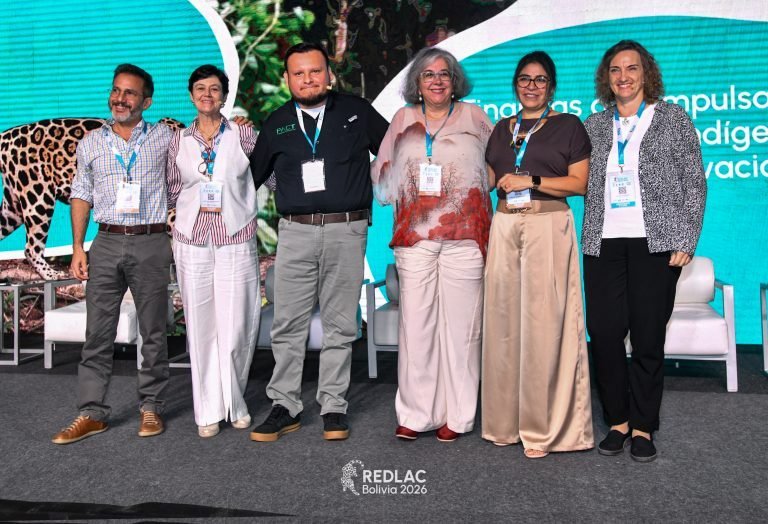
From October 6 to 8, 2026, Bolivia hosted the 28th Congress of the Network of Environmental Funds of Latin America and the Caribbean (RedLAC), a regional forum for dialogue and exchange on the challenges and opportunities of financing biodiversity conservation, climate resilience, and sustainable development.
Under the theme “Finance that Drives Conservation, Indigenous Peoples that Protect, Innovation that Transforms,” the Congress brought together representatives from environmental funds, multilateral organizations, governments, international cooperation agencies, indigenous peoples and local communities, conservation organizations, academia, and the private sector.
The meeting took place at a time when mobilizing and diversifying sources of financing for biodiversity was a global priority. Target 19 of the Kunming-Montreal Global Biodiversity Framework sets the goal of mobilizing at least USD 200,000 million annually to conserve biodiversity by 2030, from national, international, public, and private sources. It also promotes blended finance, the mobilization of private capital, and other innovative mechanisms.
In this context, environmental funds play a strategic role. Their institutional experience, technical and fiduciary capabilities, knowledge of local areas, and ability to bring together stakeholders and different funding sources have enabled them to transform resources into sustainable, long-term actions. The Global Environment Facility (GEF) recognizes the role of these funds as institutions capable of mobilizing resources from diverse sources and linking global and national financing with local investments for conservation.
RedLAC coordinates these capabilities at the regional level, connecting 30 Environmental Funds from 20 countries in Latin America and the Caribbean to share knowledge, promote best practices, build partnerships, and expand funding opportunities for conservation.
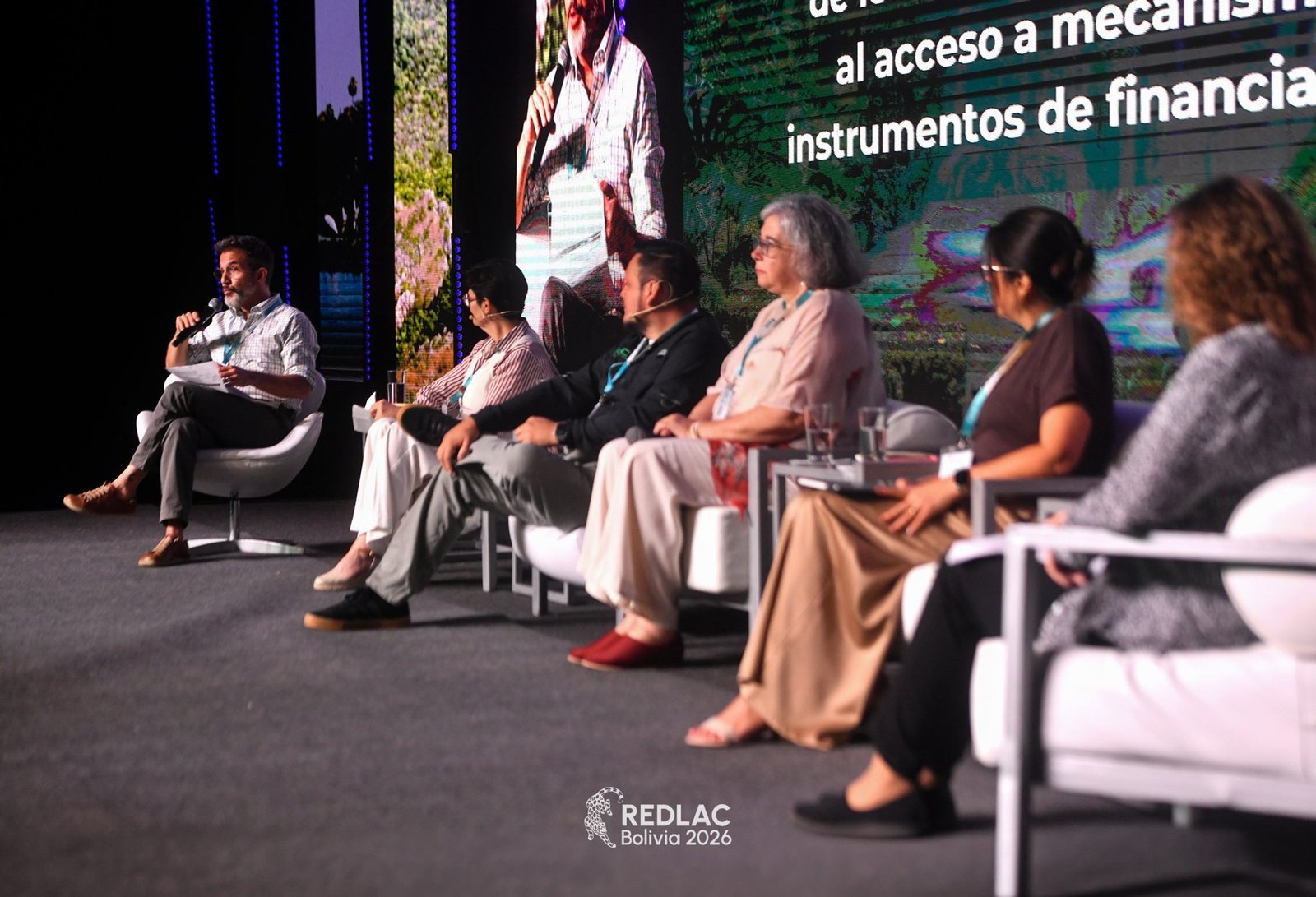
On the third day of the Congress, María José González, executive director of the Mesoamerican Reef Fund (MAR Fund), participated in a panel alongside representatives from other Environmental Funds, where she discussed the Standards of Practice for Environmental Funds in depth and shared the MAR Fund’s institutional experience in applying them. She explained how the organization uses the standards to measure its compliance and plan for addressing potential gaps. The discussion also provided an opportunity to reflect on the standards as a common foundation for environmental funds.
MAR Fund also participated in the panel organized by the BRIDGE project, titled “Sustainable Mobilization of the Private Sector for Conservation,” which addressed the evolution of private-sector engagement in conservation—from philanthropy to more structured investment models—as well as the conditions necessary to scale up the mobilization of private resources.
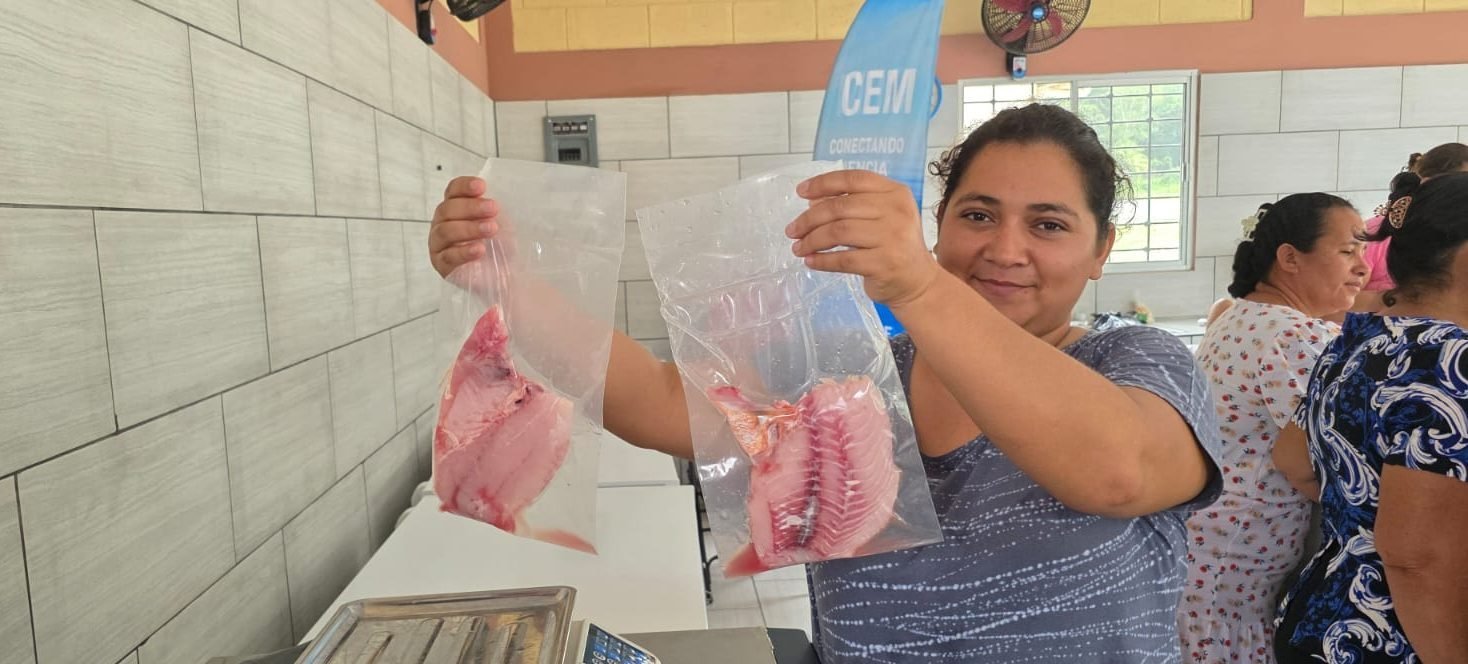
The BRIDGE Project supported a SEA+Invest initiative to promote financial inclusion in the small-scale fishing sector on the northern coast of Honduras through technical assistance and financial solutions, including parametric insurance against extreme weather events, a guarantee fund, and blended finance linked to sustainable fishing practices.
The 28th RedLAC Congress turned Bolivia into a hub for sharing experiences, innovation, and new financial solutions for biodiversity, fostering a shared vision on the importance of recognizing the value of nature and mobilizing the necessary resources to protect ecosystems and contribute to the well-being of present and future generations.
With information and photographs from Redlac.org