Photo: Julio Noble
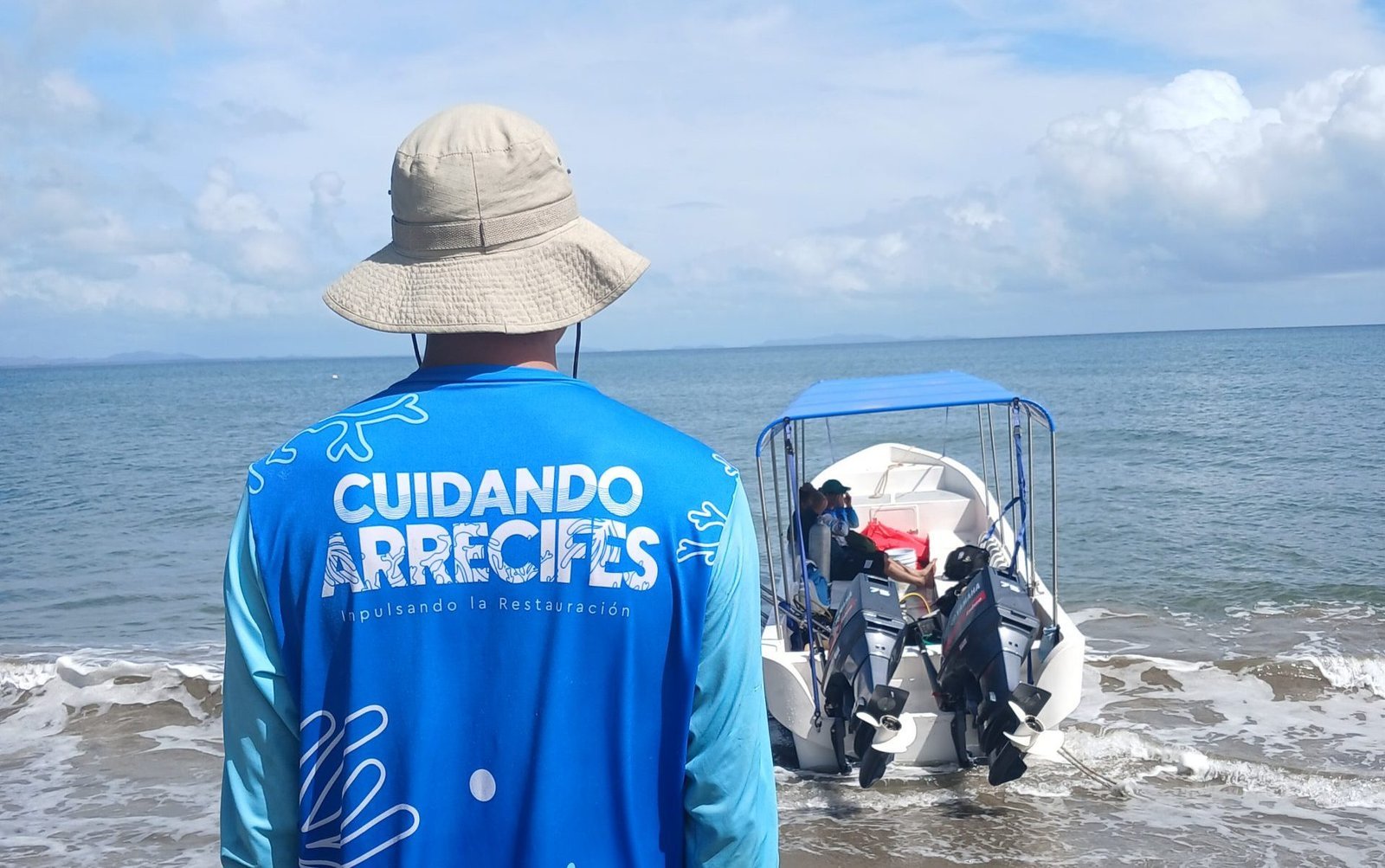
From July 21st to 25th, San Pedro, Belize, hosted a training course for Post-Storm Response Brigades for Reef in Hol Chan Marine Reserve, with the goal of preparing new brigade members and strengthening local capacities to protect the reefs of Belize.
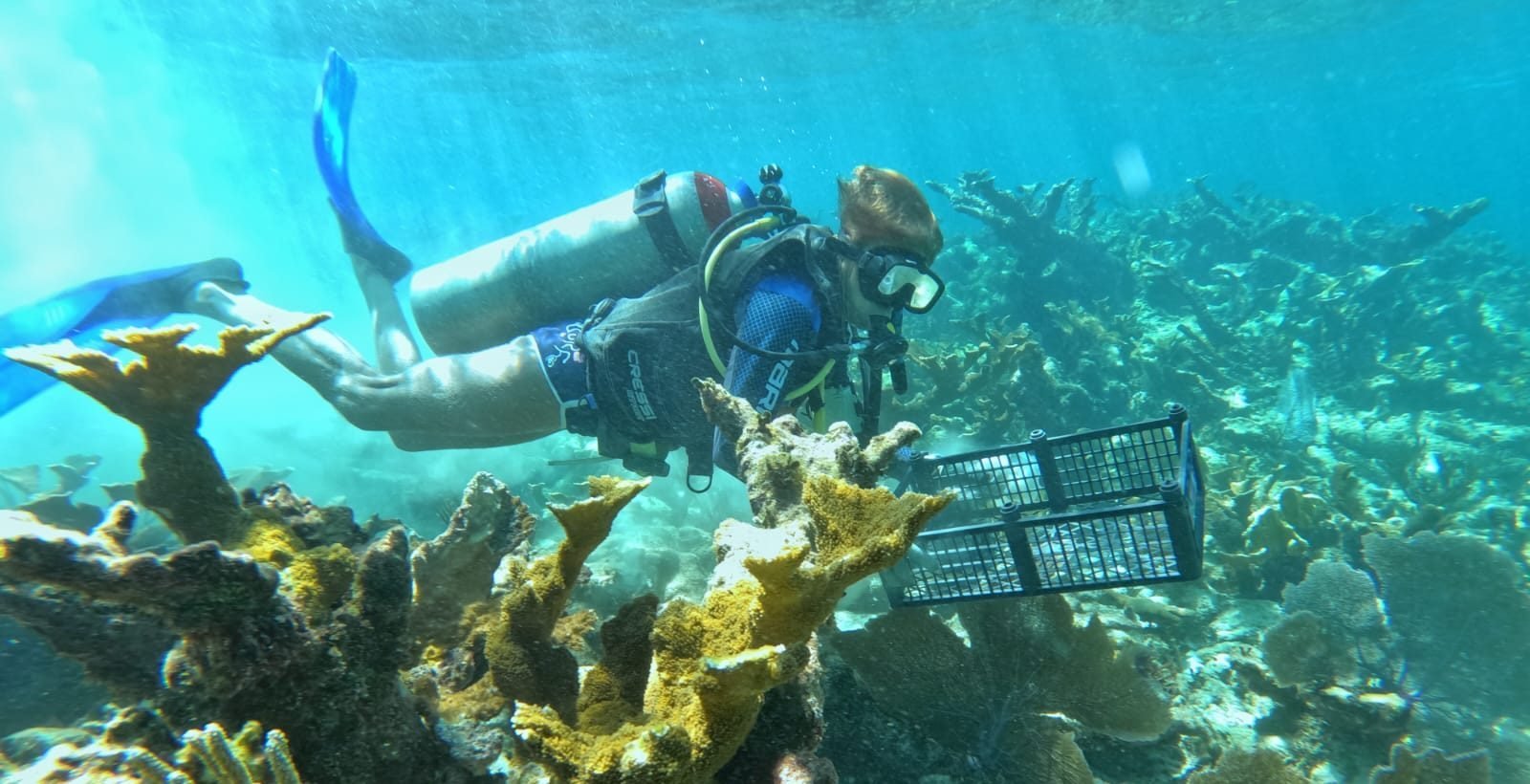
During the training, participants learned how to implement immediate actions before, during, and after a hurricane, based on the Early Warning and Rapid Response Protocol created by The Nature Conservancy in 2019. This protocol guides the necessary steps to reduce hurricane impacts on coral reefs, ecosystems essential to the health of the ocean and the wellbeing of coastal communities.
The newly trained and certified group of brigade members is made up of men and women with different backgrounds: experienced divers, community leaders from San Pedro, and representatives from local institutions and organizations.
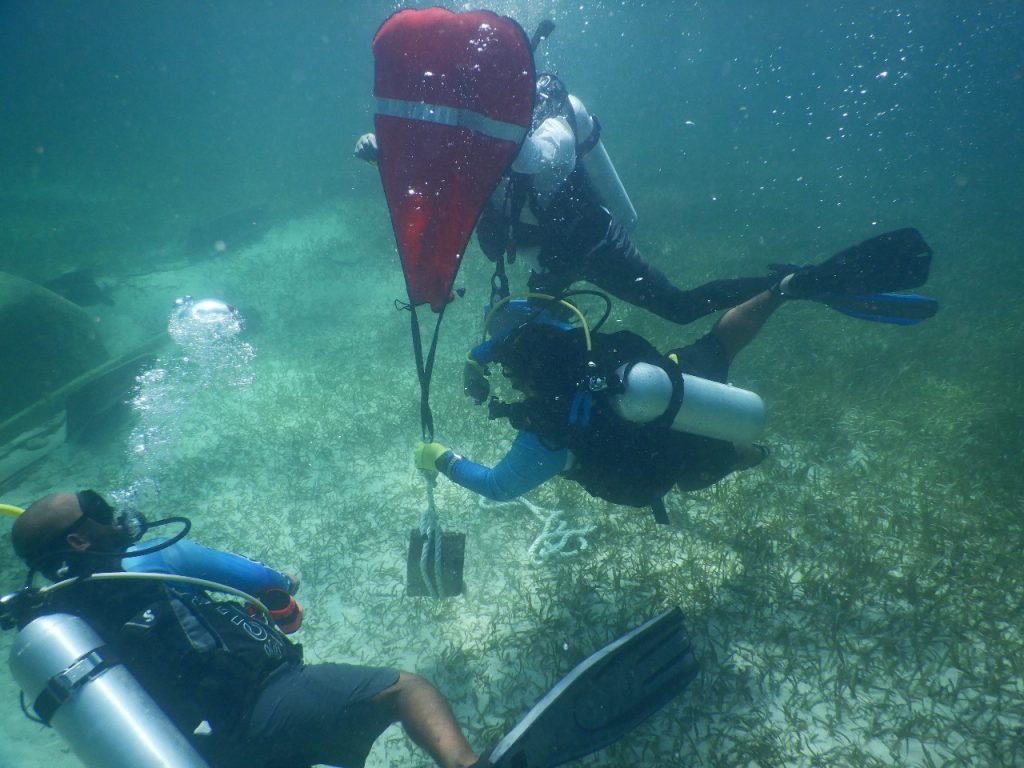 Photo: Julio Noble
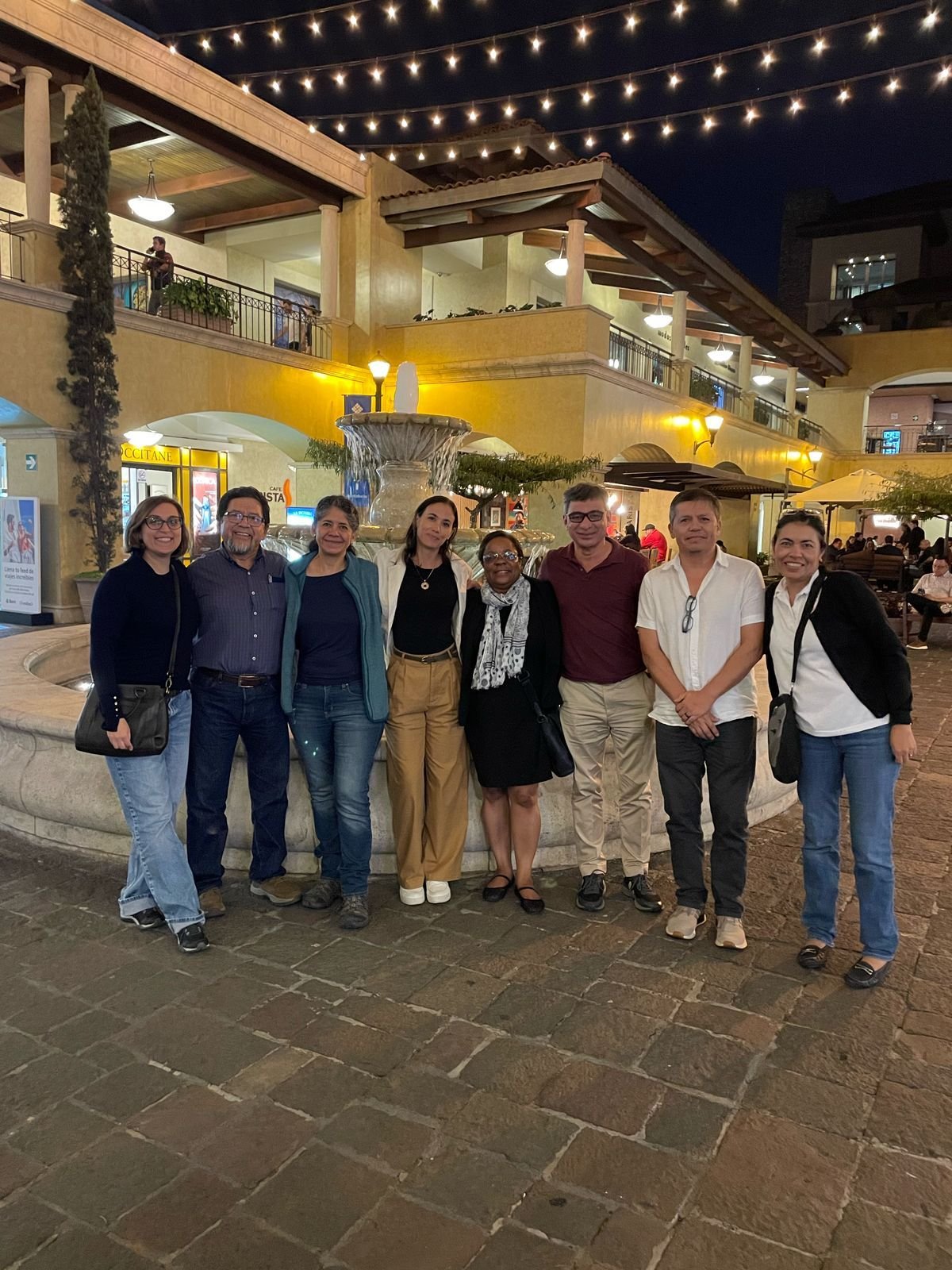
The sessions were led by an expert instructor from México, with support from an assistant instructor and a Belizean instructor-in-training, who was also certified through this course as a new brigade instructor.
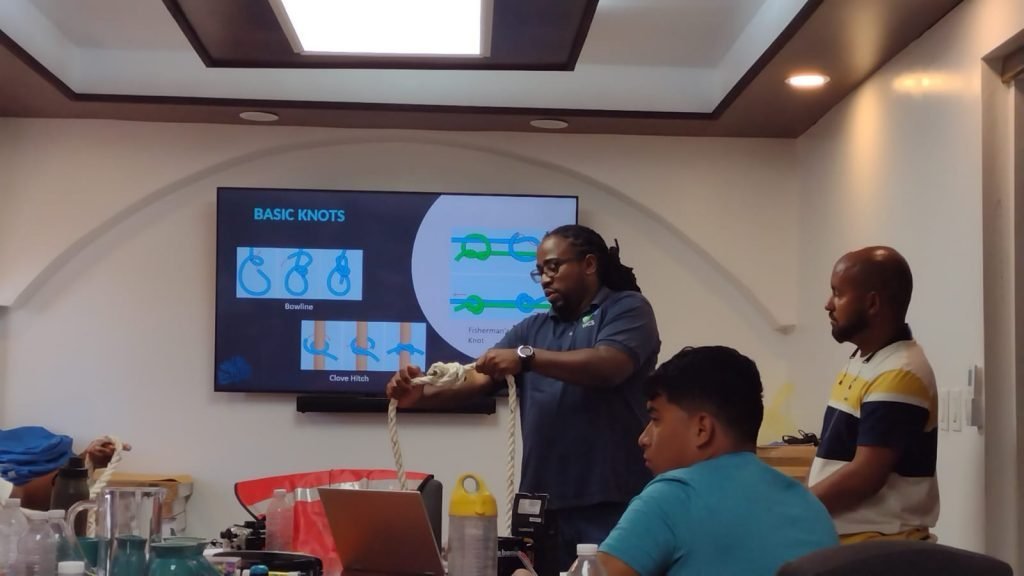 Photo: Julio Noble
I want to extend a Thank you to MAR Fund for extending this training to the trainees. Really we have to be prepared for natural disasters especially in the hurricane season. This training will help in the assessment of damages and restoration of our coral reefs after a hurricane.
– Hon. Andre Perez – Minister of Blue Economy
Being a new Reef Brigade Instructor enables me to contribute even more to my passion in marine conservation. It now enables me to equip our country’s aspiring marine conservationists with the necessary skills needed to assist in coral reef restoration in Belize. I look forward to collaborating with other organizations in creating more Reef Brigades within our country.
– Henry Brown Jr. – Wildlife Conservation Society
With these new brigade members, the regional capacity for rapid and effective response to natural disasters is strengthened, protecting the reefs of the Mesoamerican Reef Region (MAR). This is possible thanks to the commitment of the region’s governments and the valuable support of partners and donors.
Hol Chan Marine Reserve is immensely grateful to MAR Fund for its invaluable partnership in the recently completed ‘Post-Storm Reef Brigades Training for Coral Reefs in San Pedro.’ Thanks to this collaboration, we now have a trained and equipped brigade ready to respond swiftly and effectively to reef damage after a storm; which is an essential step in safeguarding the future of our coral ecosystems.
– Vicky Coc – Hol Chan Marine Reserve
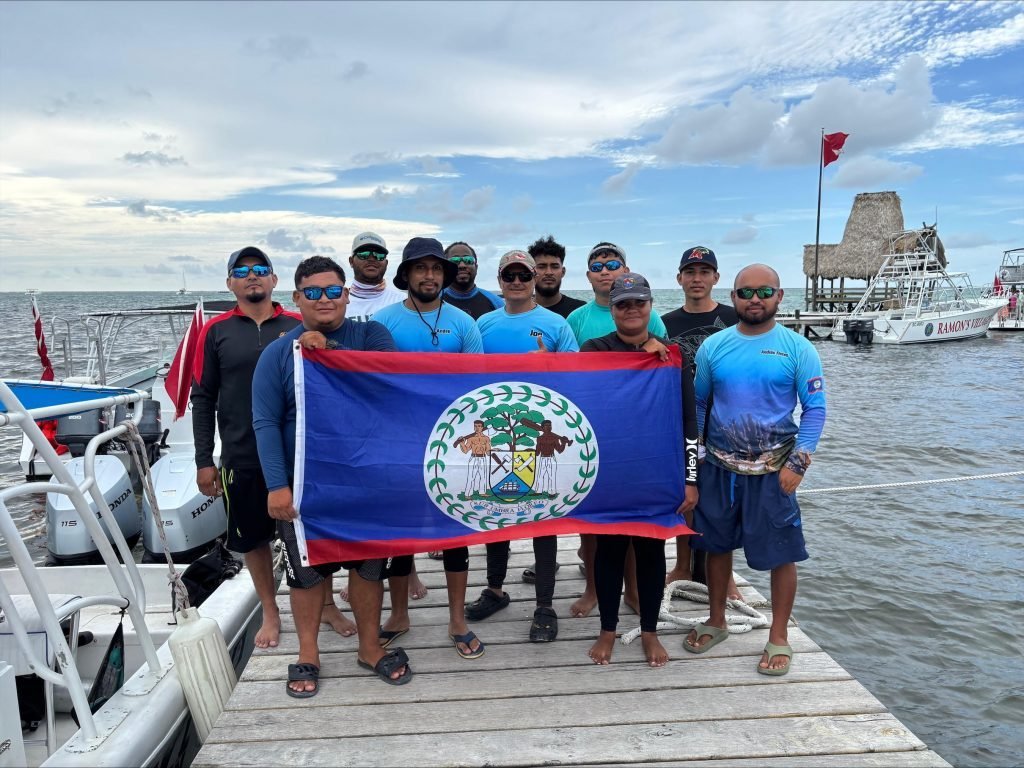 Photo: Andre Herrera