What is MAR Fund?

In 2004, representatives from four private conservation funds in Mexico, Belize, Guatemala, and Honduras identified the need for a regional fund and a coordinating institution to protect the Mesoamerican Reef System (MAR).
 They joined forces to create a strategic entity designed to mobilize funding, forge transnational partnerships, and prioritize high-impact projects.  Thus, the Mesoamerican Reef Fund (MAR Fund) was born.

Photo: Jorge Vaz

As an ecoregional organization, the MAR Fund coordinates and prioritizes projects to ensure the strategic and efficient allocation of resources. The organization aims to establish itself as a reliable and transparent fund that promotes sound conservation policies to protect, restore, and sustainably use the coastal ecosystems of the Mesoamerican Reef System.

This commitment is achieved through its programs.

Saving our
protected areas

Fishing for
the future

Clean water for the reef

Blue and regenerative economy

Photo: Judith Morales

Photo: Martin Leglize

Mission

MAR Fund seeks, secures and facilitates regional funding, fosters partnerships and drives capacity building for the conservation, restoration, and sustainable use of marine and coastal ecosystems in the Mesoamerican Reef region.

Vision

Thriving Mesoamerican Reef ecosystems foster a regenerative economy and support human wellbeing while being nurtured and stewarded by engaged societies and governments.

Values

Commitment
Permanence
Cooperation
Effectiveness
Efficiency
Integrity
Mission-driven
People matter
Accountability

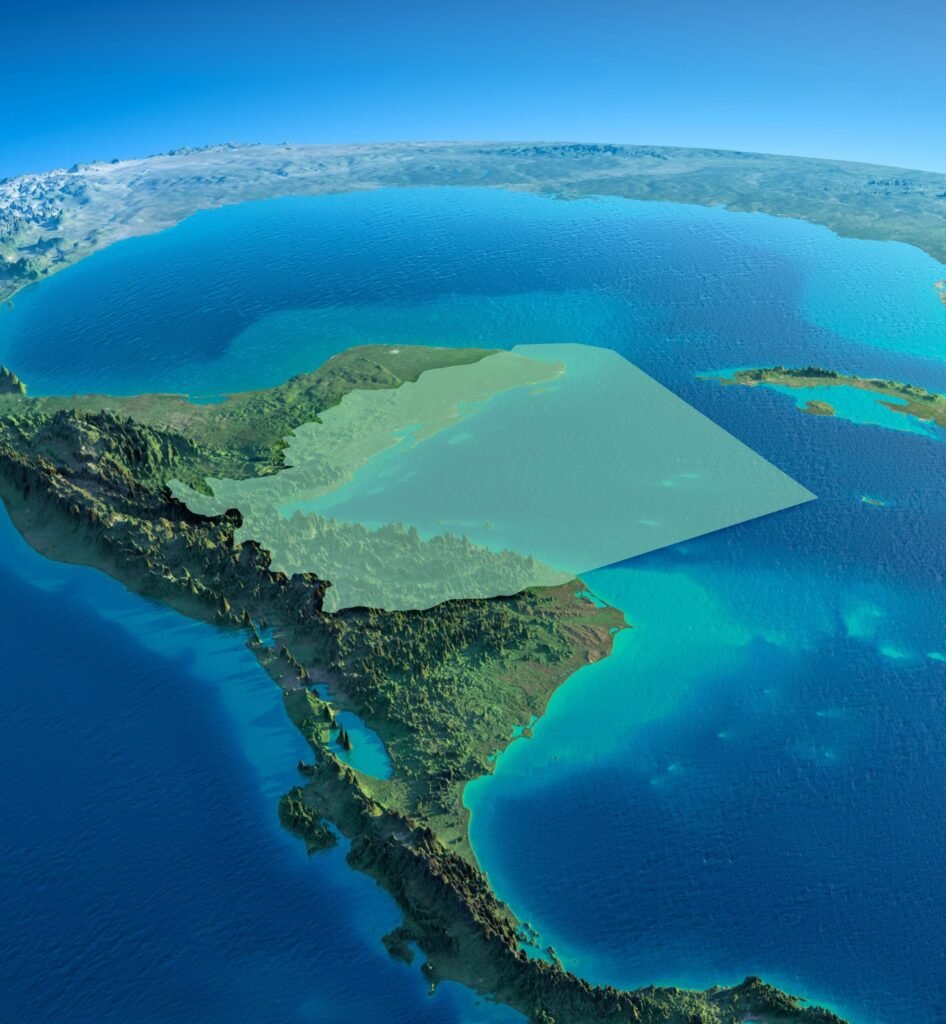
Map: MAR Fund

The Mesoamerican Reef System

The Mesoamerican Reef (MAR) includes the largest barrier reef in the Atlantic Ocean. Extending through the Caribbean territorial waters of Mexico, Belize, Guatemala, and Honduras, the reef is a critical ecosystem for biodiversity, climate resilience, and the livelihoods of approximately five million people living within 50 kilometers of the coast.

Reefs are essential to marine biodiversity and the ecological systems that sustain life on Earth. Conserving them is essential to ensuring coastal protection, food security, sustainable tourism, and the preservation of cultural heritage.

The reef acts as a nursery for species, a genetic library, a natural storm barrier, a source of sand, and a generator of health and economic well-being for millions of people in the region and around the world.

Every program driven by the MAR Fund strengthens this vital ecosystem, ensuring the reef remains a living treasure and generator of benefits for the entire region.

Photo: Judith Morales

What environmental services does it provide?

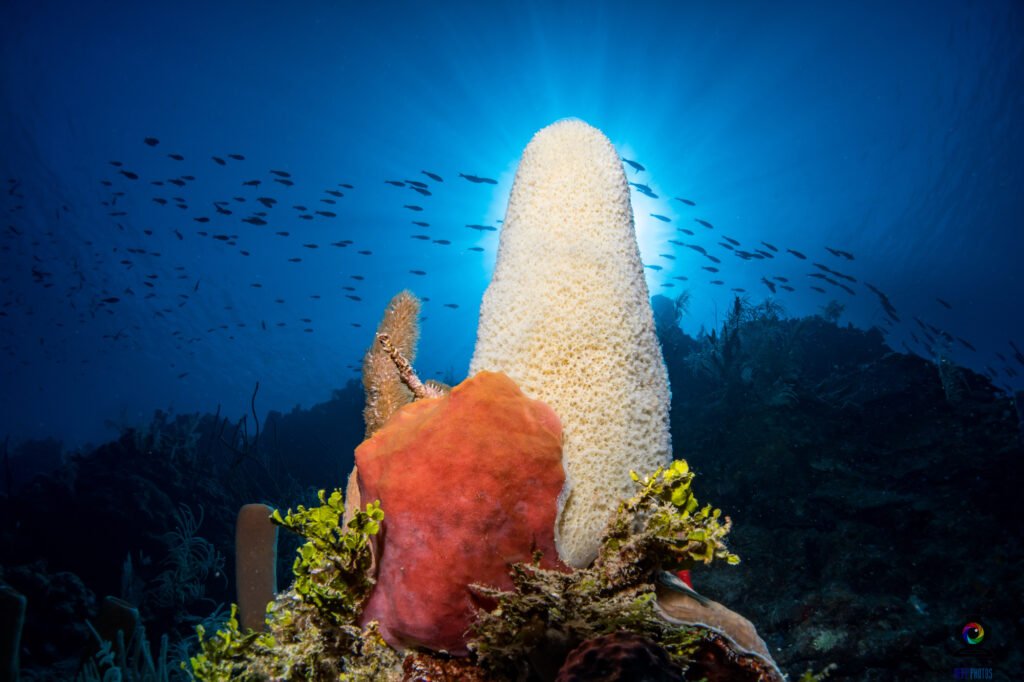
The value of the Mesoamerican Reef goes beyond its economic contribution. This coral system provides invaluable goods and services. Conserving it means protecting the ecosystem services that support the local economy and provide collective benefits.

Coastal Protection
It protects over 1,000 kilometers of coastline against currents, storms, and waves. It cushions the force of the sea, preventing erosion and damage to infrastructure and communities.
Formation of Fine Sand
The decomposition of coral skeletons and the subsequent sedimentation of their fragments create white sand that nourishes beaches and dunes, providing recreational spaces and reinforcing the coastline.
Nursery and Breeding Area
It serves as a nursery and feeding ground for an astonishing variety of marine organisms, including commercially important fish. This supports artisanal fishing and local food security.
Genetic Library
It accumulates vital ecological information from the past, providing a gene and data bank that informs management and conservation decisions today.
Biochemical Regulation
Mangroves and seagrasses act as massive nitrogen fixers and carbon dioxide sinks. They help improve water quality, shape the local climate, and contribute to mitigating climate change.
Water and Air Purification
Mangroves filter sediments, improving the quality of coastal water and reducing the amount of pollutants that reach coral reefs.
Calcium Carbonate Architecture
The calcareous structure of the reef is the “backbone” of coral reefs, supporting the complexity of life and the ecosystem services they provide.
Support of the Regional Economy
The life that sustains the coral reef directly boosts the economies of Mexico, Belize, Guatemala, and Honduras. It generates jobs in fishing, tourism, science, recreational activities, and innovative ventures, among others.

Photo: TASA

Taller inicial de la 2ª. convocatoria

Del 1 al 3 de julio de 2025, se llevó a cabo en Ciudad de Guatemala el Taller Inicial para los proyectos seleccionados en la segunda convocatoria del proyecto «Protección de los Recursos Marítimos en América Central III (Fase III)”, una iniciativa financiada por la Cooperación Alemana a través del KfW, en el marco del programa Salvando Nuestras Áreas Protegidas de MAR Fund.

Durante tres días, 31 representantes técnicos y administrativos de 16 áreas protegidas marino costeras de México, Belice, Guatemala y Honduras se reunieron para fortalecer capacidades, intercambiar experiencias y alinear estrategias para una implementación efectiva y coordinada de sus proyectos.

También participaron organizaciones de sociedad civil que acompañarán la ejecución de estos proyectos.

Leer la nota completa >>